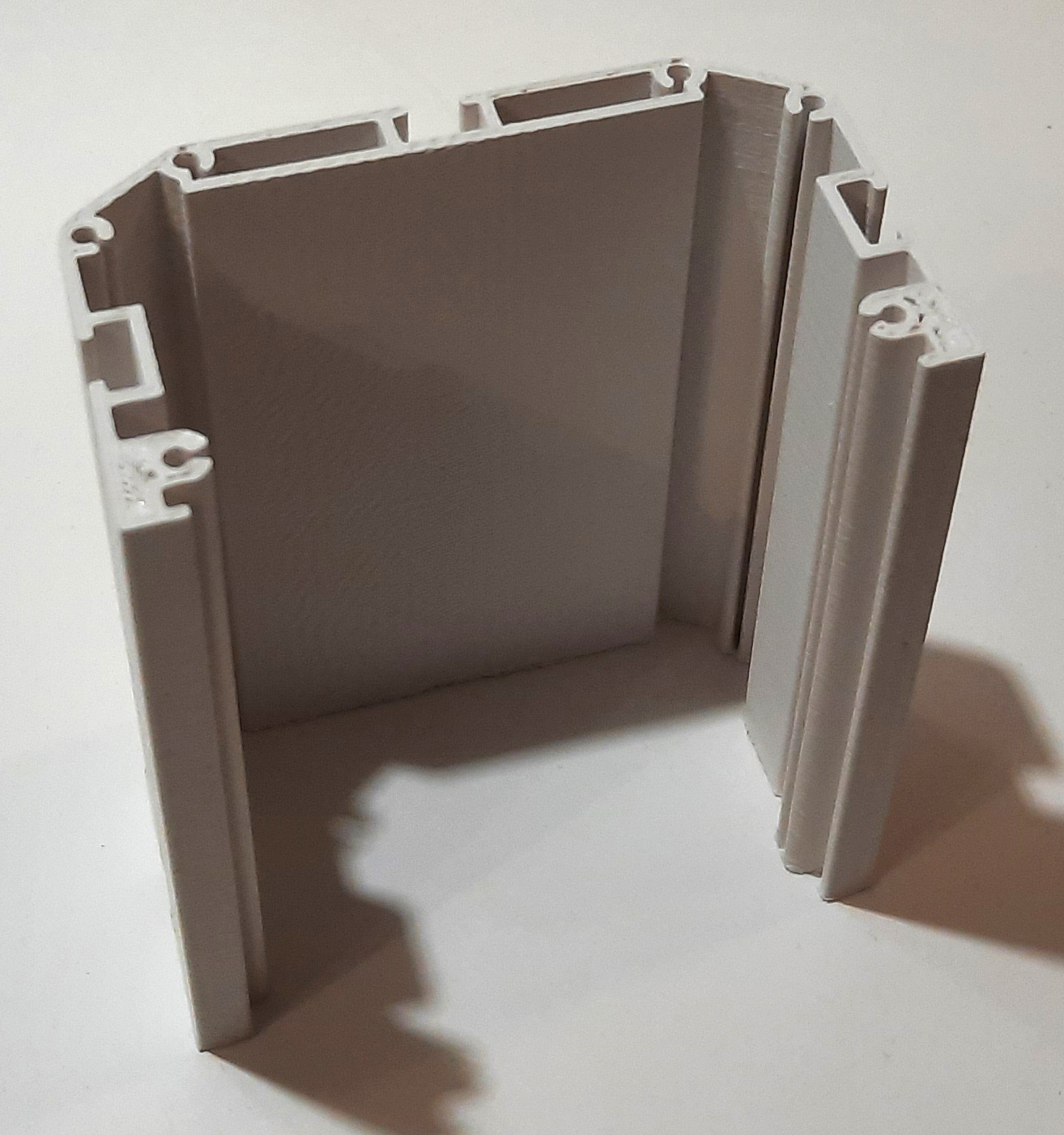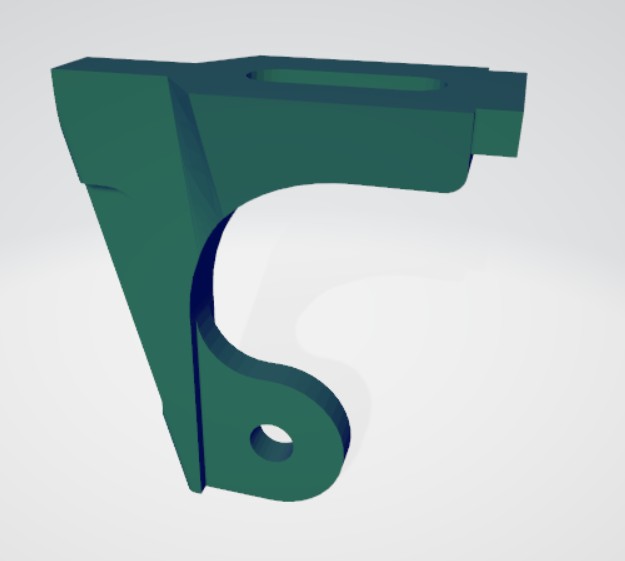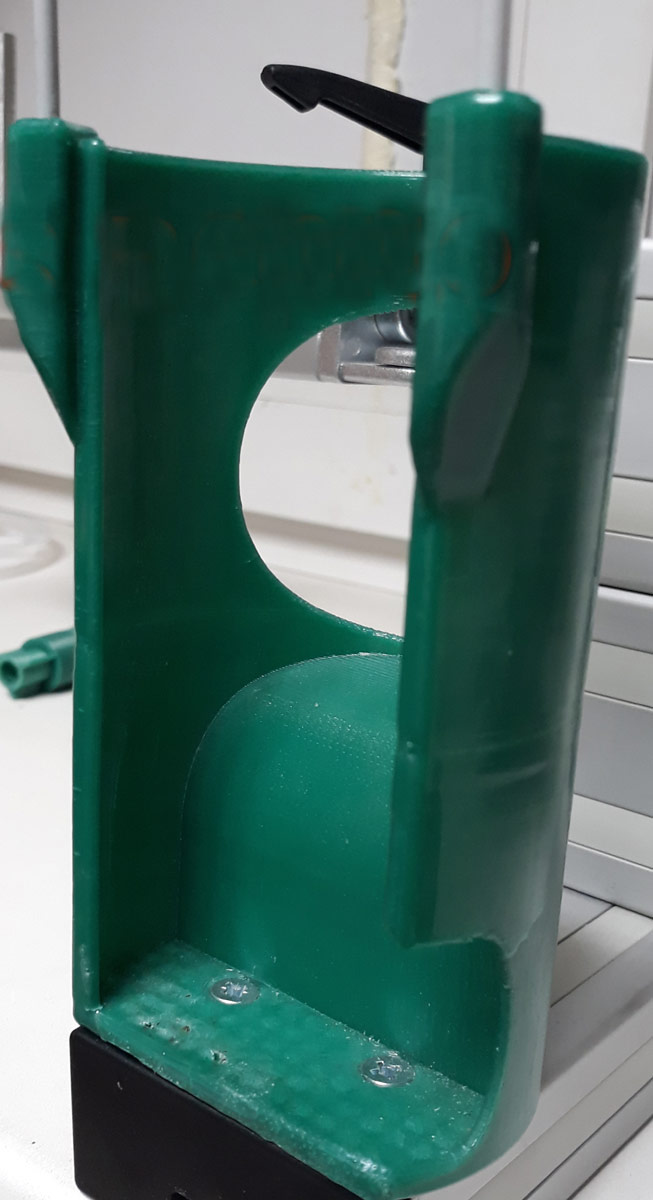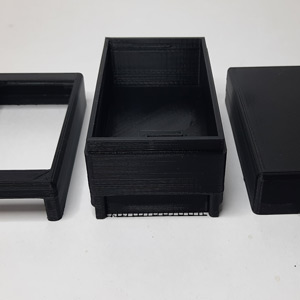
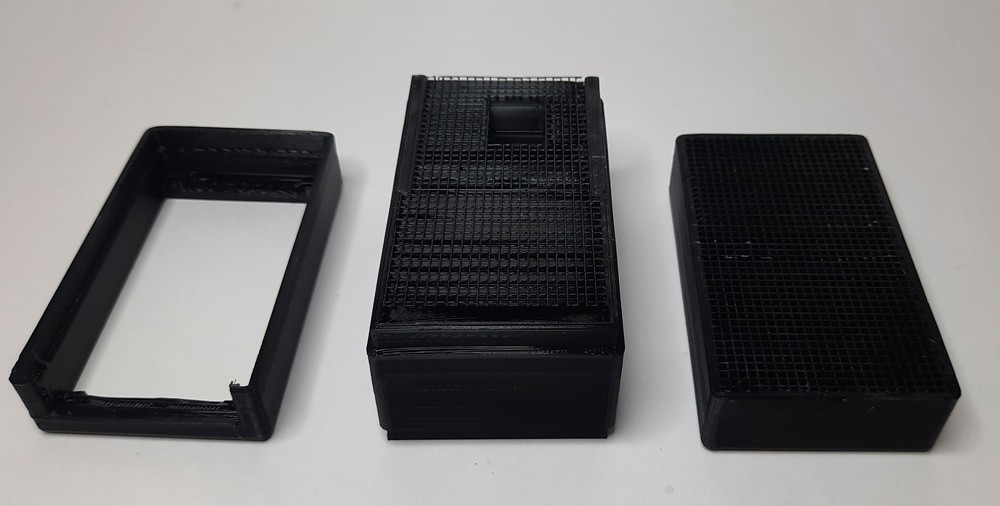
In this project, we manufactured a mechanical enclosure using 3D printing based on a provided 3D model. The part was produced in PET-G plastic, a material widely used for its strength, durability, and resistance to impact.
The enclosure was printed with support structures that were intentionally not removed, allowing a clear view of the full printing process and part geometry. This approach is often used during prototyping and design validation stages.
3D printing enables the production of enclosures, mechanical components, and technical parts with high precision and flexibility. It is an efficient solution for both prototyping and end-use applications.
We work with a wide range of 3D printing materials, including engineering plastics, carbon fiber reinforced filaments, and photopolymer resins, allowing us to select the best material for each specific project.
Advantages of this process:
- Production of durable PET-G technical parts
- High strength and impact resistance
- Manufacturing directly from 3D models
- Ideal for prototyping and functional testing
- Wide selection of materials available
We also produce:
- 3D printed enclosures and mechanical housings
- Technical parts for machinery and devices
- Functional prototypes and small batch production
- Components made from advanced materials
- Carbon fiber reinforced parts
- High-detail resin 3D printing
Industrial 3D Printing ChatGPT сказал: 3D printing for serious industrial projects requires extensive design experience and a deep understanding of manufacturing processes.Key …
3D prototyping It is a very important stage in the manufacturing process.Before starting mass production, it is necessary to carry out tests, …