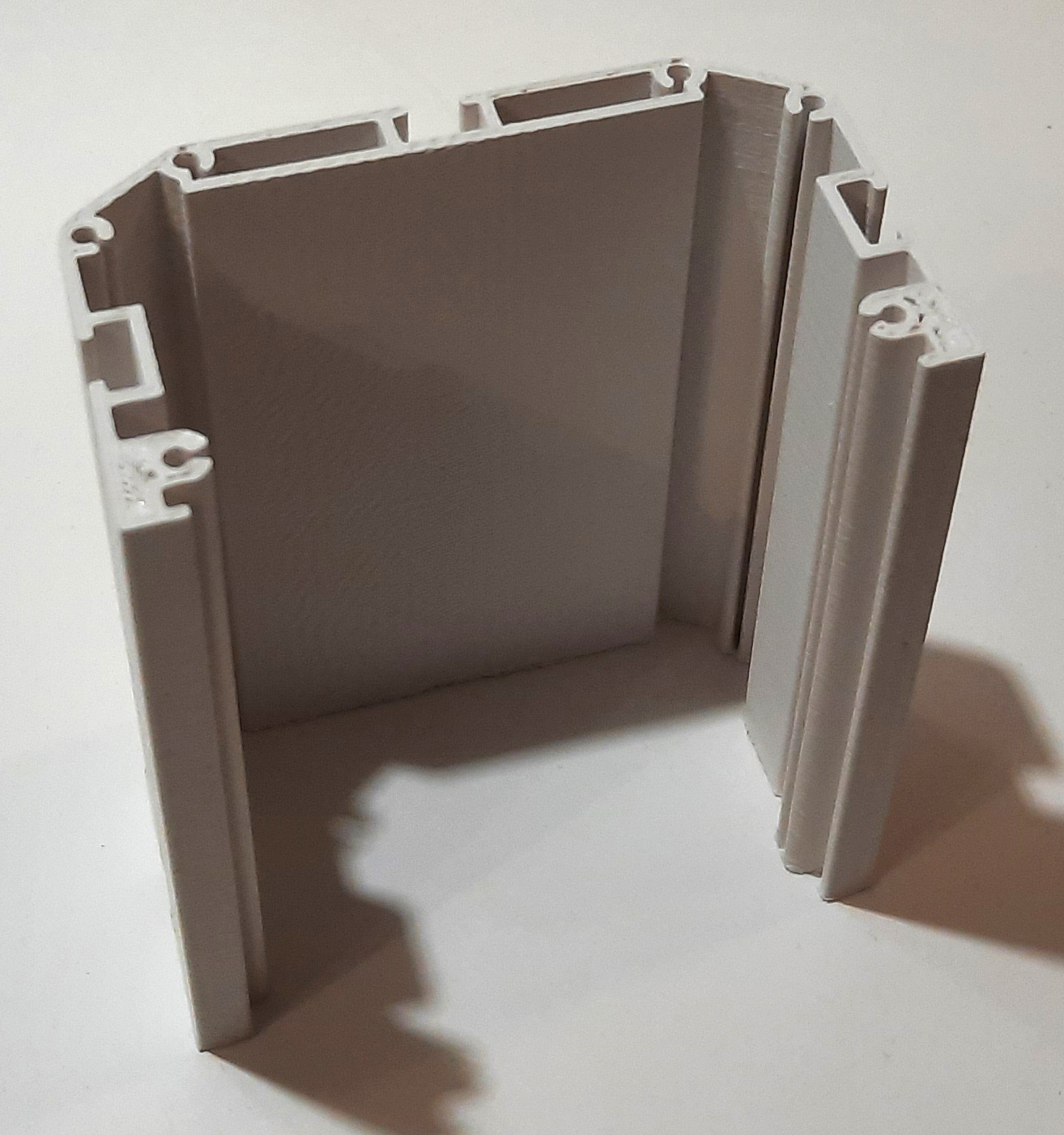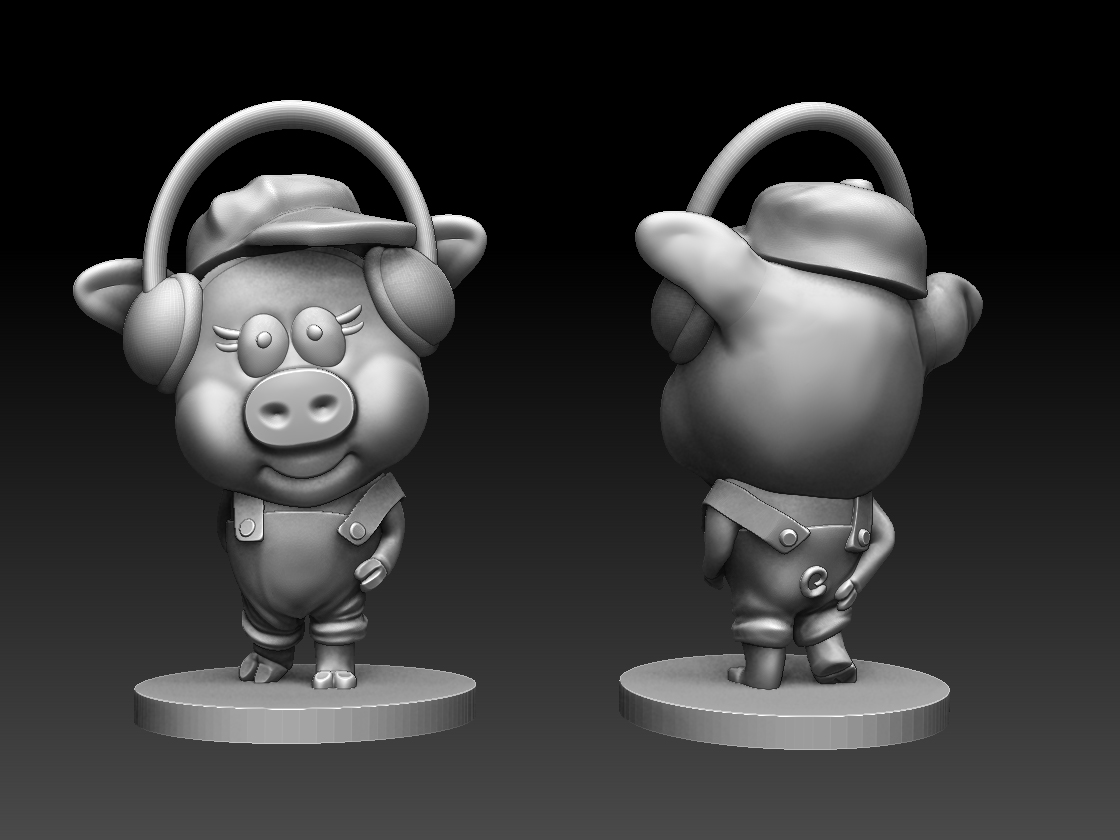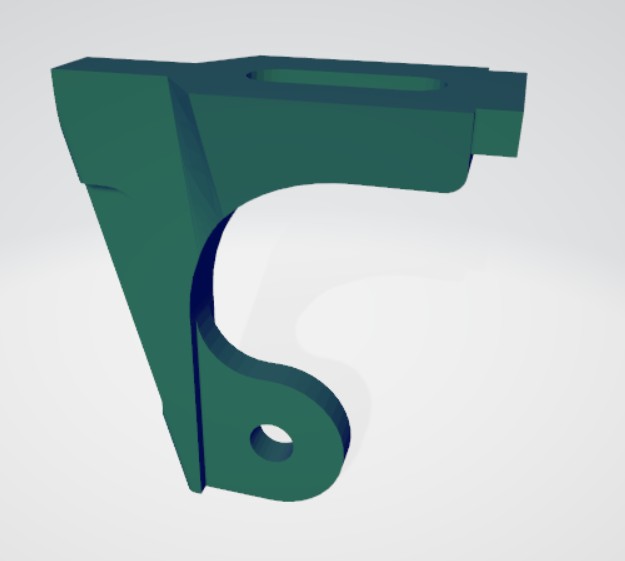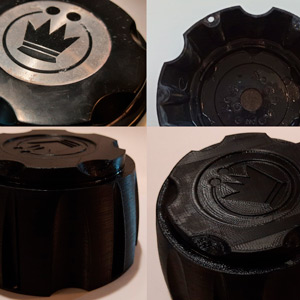
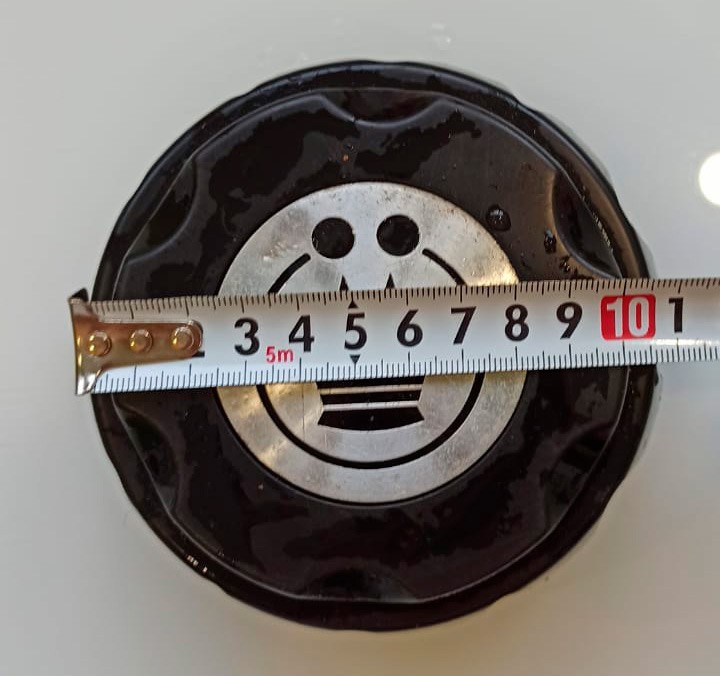
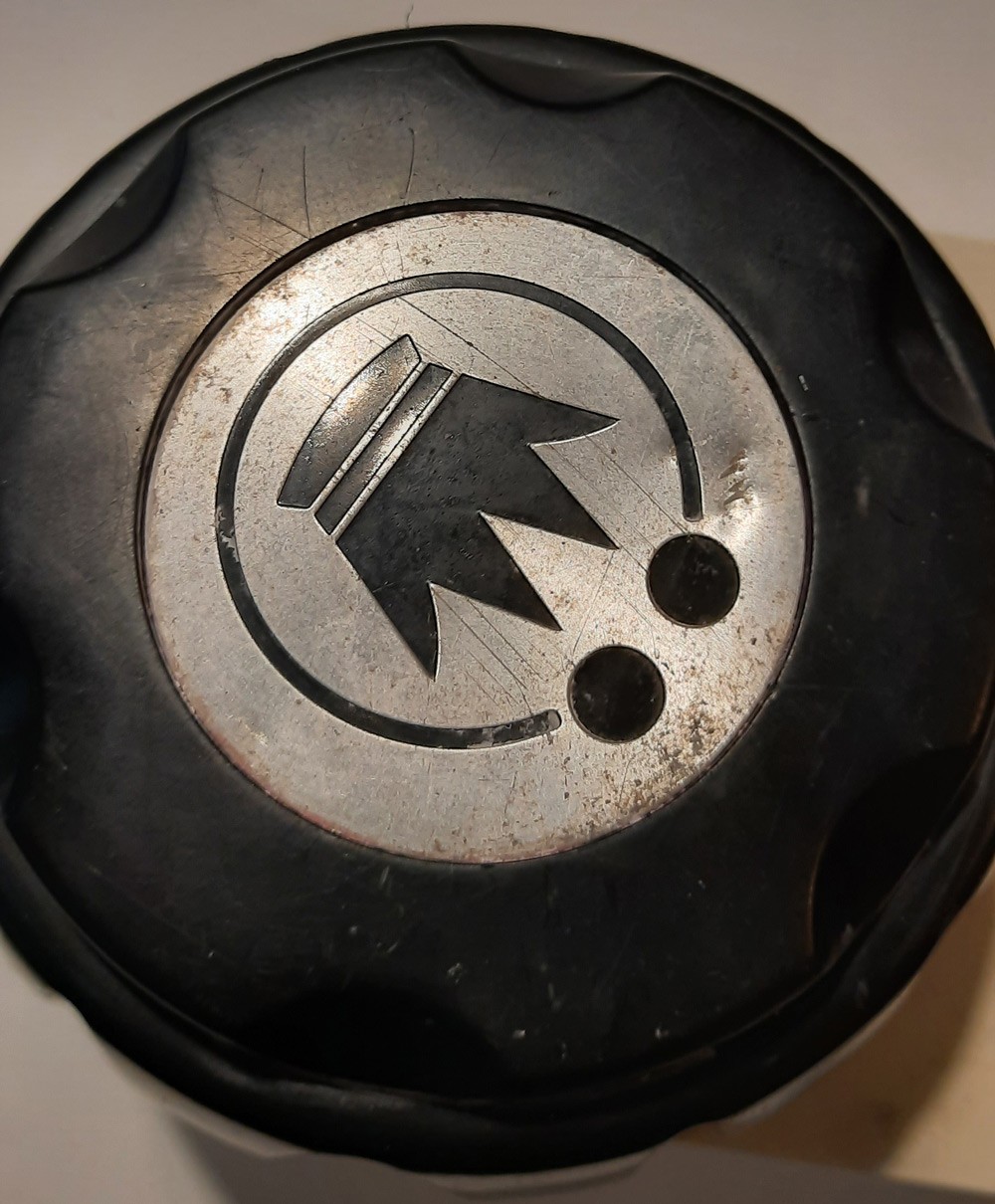
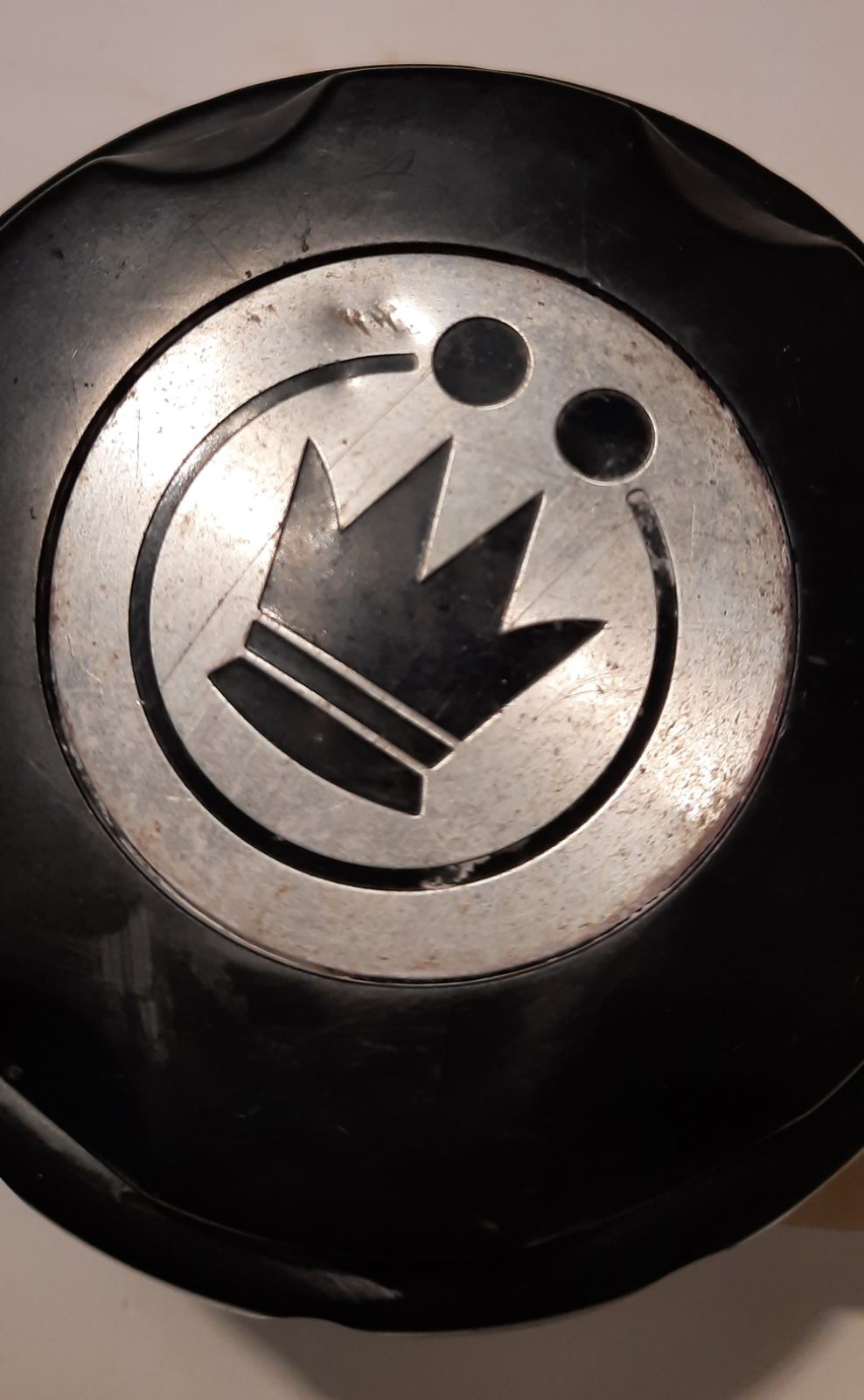
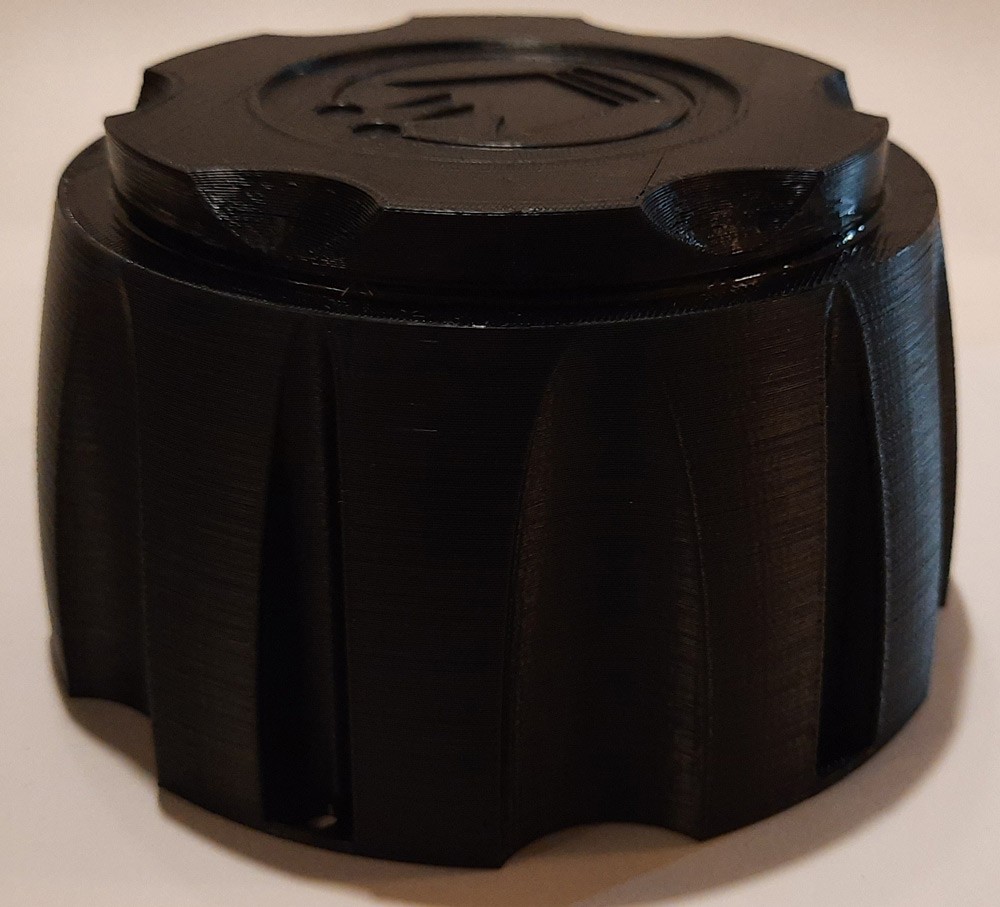
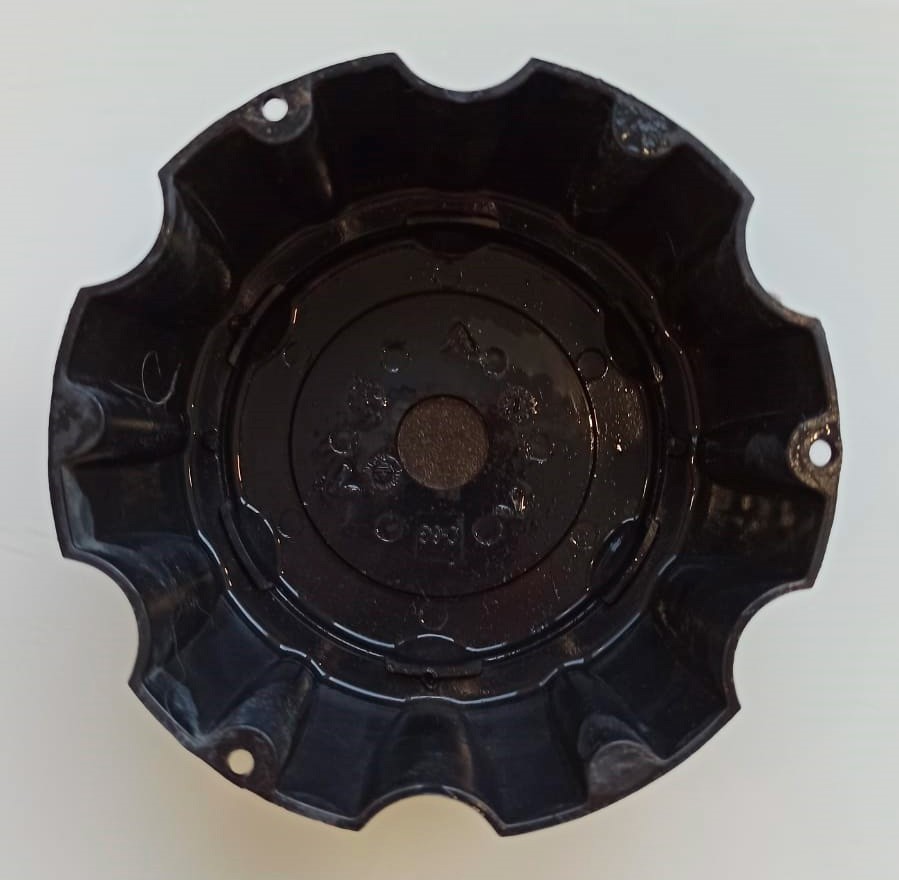
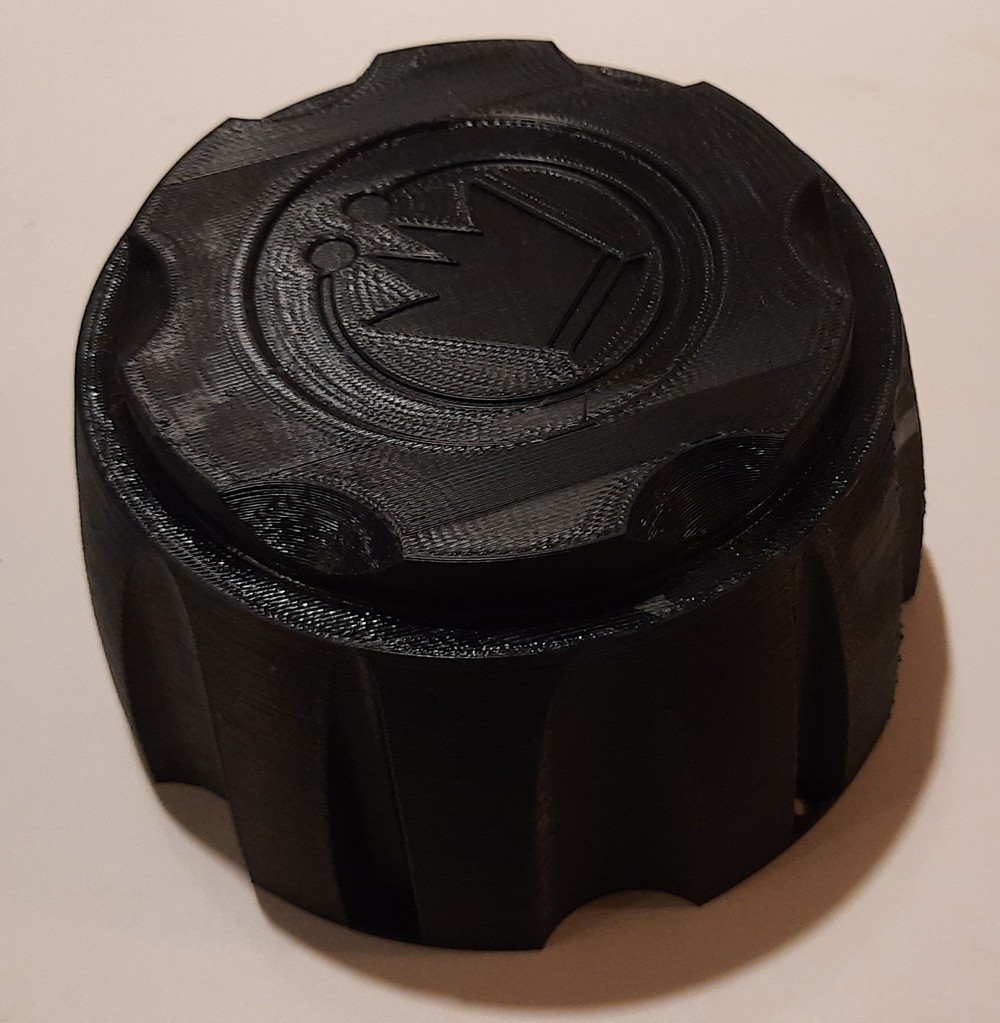
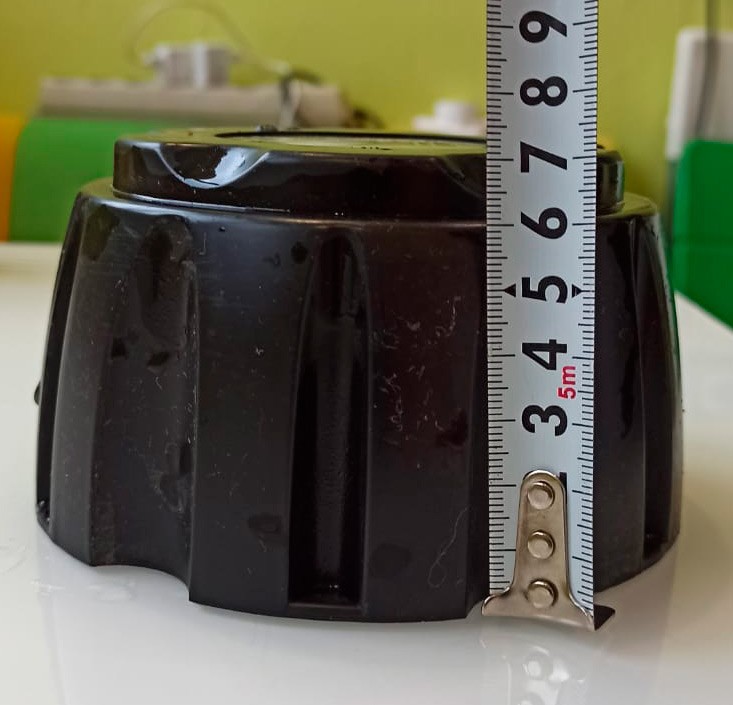
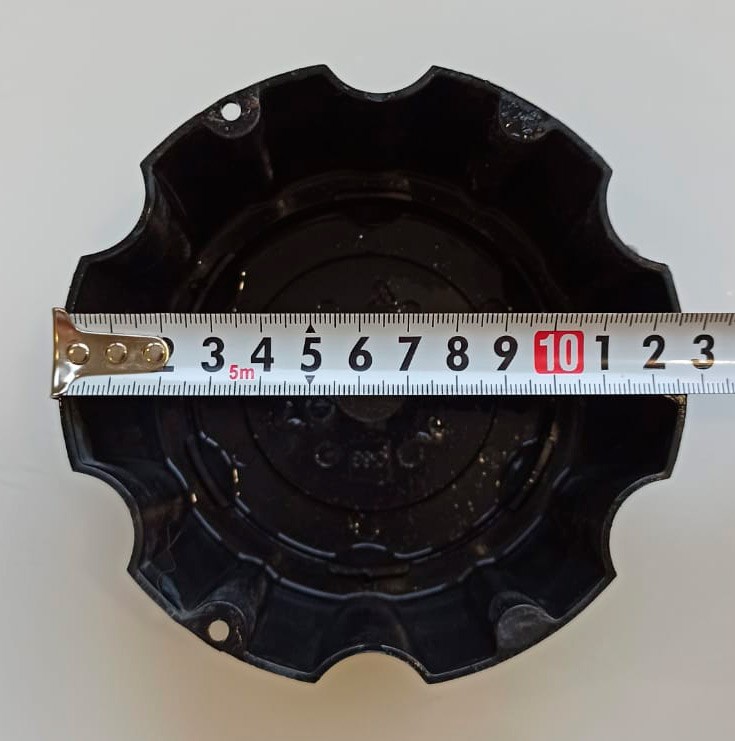
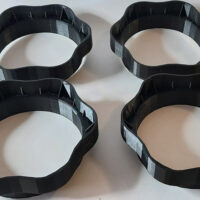
In this project, the customer provided a sample part for digitalization. The process started with 3D scanning of the original object, allowing us to capture accurate geometry and create a reliable digital base.
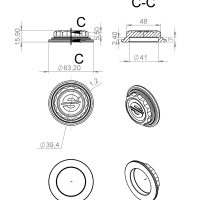
Using the scanned data, a detailed 3D model was developed and refined according to the technical drawings. This step made it possible to correct imperfections and adapt the design to meet functional requirements.
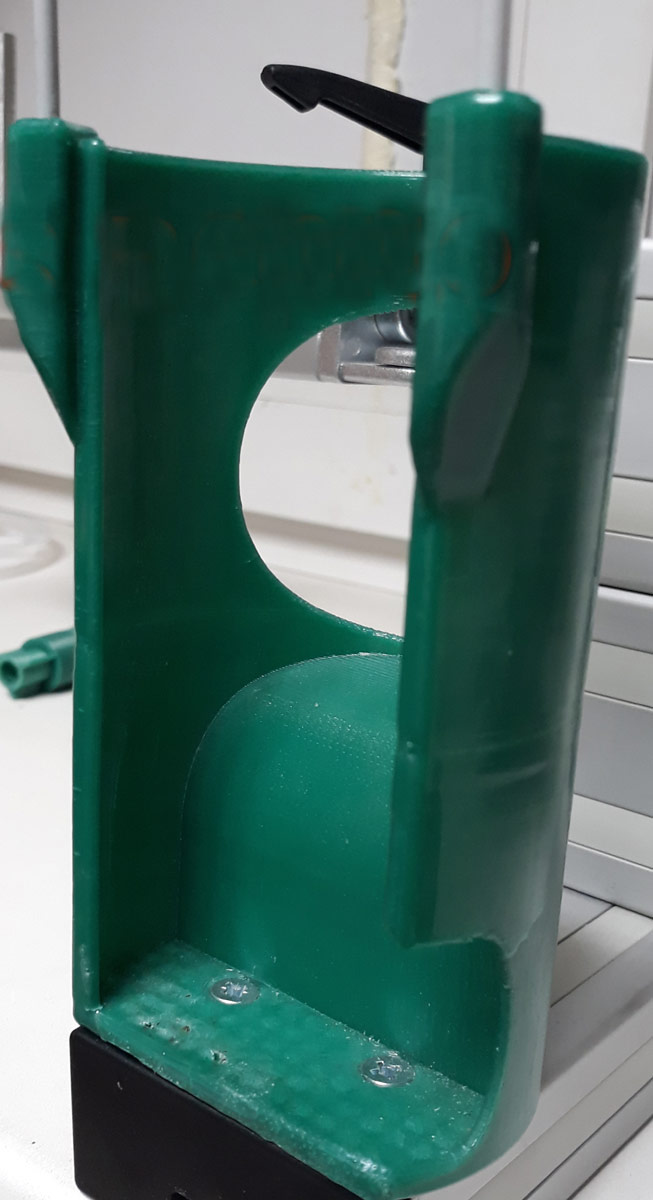
Once the model was finalized, the part was manufactured using 3D printing in PET-G, a durable and impact-resistant material suitable for functional components and real-world use.
The final result was a ready-to-use part designed for installation and operation. This workflow is ideal for producing custom spare parts, discontinued components, and elements that are difficult to source.
The combination of 3D scanning, CAD modeling, and 3D printing ensures precision, flexibility, and reduced production time.
Advantages of this process:
- Accurate geometry capture through 3D scanning
- Model adjustment based on technical drawings
- Durable and functional parts in PET-G
- Fast production without molds or tooling
- Custom solutions tailored to specific needs
We also produce:
- Functional and technical 3D printed parts
- Reverse engineered components from samples
- Custom spare parts and replacements
- Industrial prototypes and custom models
- Mechanical components and assemblies
- Optimization and redesign of existing parts
Industrial 3D Printing ChatGPT сказал: 3D printing for serious industrial projects requires extensive design experience and a deep understanding of manufacturing processes.Key …
3D prototyping It is a very important stage in the manufacturing process.Before starting mass production, it is necessary to carry out tests, …